You’ve invested in a high-end straightener. You’ve mastered the glide, the heat settings, the sectioning technique. Yet your hair still feels brittle, looks dull, and frizzes by noon. Why? Hidden culprits lurk in the styling products you’re slathering on—especially parabens. These cheap preservatives extend shelf life but sabotage shine, weaken strands, and disrupt scalp health over time. Switching to paraben-free hair products isn’t just clean beauty—it’s damage control for heat-styled hair.
The Hidden Cost of “Long-Lasting” Styling Formulas
Most serums, sprays, and creams formulated for straightening promise “smooth all day.” What they don’t say: that smoothness comes from silicones masking dryness—and parabens quietly accelerating follicle fatigue. Heat opens the hair cuticle. Parabens slip right in. Repeated exposure = cumulative stress you can’t reverse with a deep conditioner.
And the scary part? Labels hide them under aliases like methylparaben, propylparaben, or “preservative blend.” You think you’re protecting your hair. You’re actually priming it for breakage.
How to Build a Heat-Styling Routine That Doesn’t Sabotage Your Strands
Forget stripping your routine. Refine it. Swap out only what’s toxic—not what works.
Step 1: Audit Your Current Arsenal
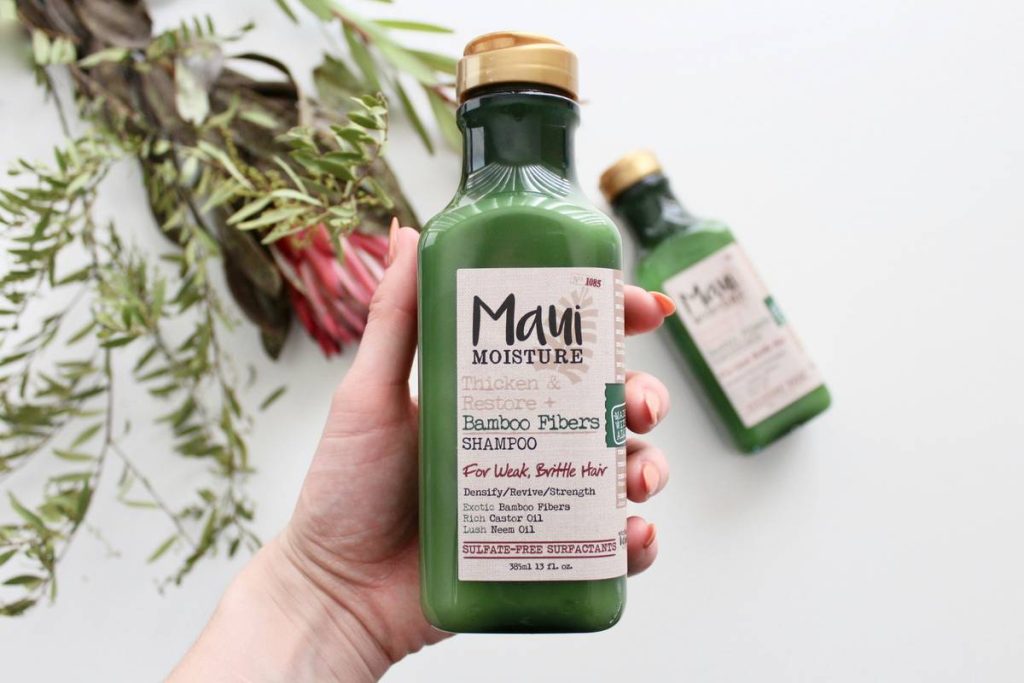
Flip every bottle. Check for parabens—but also sulfates and synthetic fragrances. Yes, even that “miracle” anti-frizz serum. If it lists anything ending in “-paraben,” retire it.
Step 2: Choose Heat Protectors That Actually Shield
Not all thermal protectors are equal. Look for formulas built around plant-based polymers (like hydrolyzed quinoa or rice bran) and ceramides. They form a breathable barrier—not a plastic seal—that repels heat without suffocating strands.
Step 3: Layer Smart, Not Heavy
One paraben-free product applied correctly beats three layered haphazardly. Less residue = less buildup = better straightening results.
| Product Type | Paraben-Based Formula | Paraben-Free Alternative | Heat Protection Efficacy |
|---|---|---|---|
| Thermal Spray | Silky finish, lasts 8 hrs | Plant-derived shield, lasts 10+ hrs | ✅ Superior (no pore-clogging residue) |
| Smoothing Serum | Heavy slip, builds up fast | Lightweight, water-soluble oils | ✅ Better glide, less snagging |
| Finishing Mist | Holds shape but dries brittle | Flex-hold with glycerin & aloe | ✅ Natural movement, zero crunch |
The Industry Secret: “Fragrance-Free” Isn’t Always Safer
Here’s what brand reps won’t tell you: many “paraben-free” labels are paired with heavy synthetic fragrances that are just as irritating—if not more. Fragrance is a catch-all term hiding dozens of undisclosed chemicals. Some trigger contact dermatitis; others degrade faster under heat, releasing free radicals onto your scalp.
But—and this is critical—not all scent is bad. Essential oil blends (like lavender or rosemary CO2 extracts) can actually soothe the scalp and boost microcirculation during styling. The key? Transparency. If the brand names every oil used, they’ve got nothing to hide. If it just says “natural fragrance”? Walk away.
FAQ
Are paraben-free hair products really better for straightened hair?
Yes. Without parabens, your hair retains natural moisture balance—critical when exposed to daily heat. Less dryness = less split ends.
Can I use paraben-free products with any flat iron?
Absolutely. In fact, they perform better on ceramic or tourmaline plates because there’s no waxy buildup interfering with even heat distribution.
Do paraben-free formulas last as long on shelves?
They may have shorter shelf lives (6–12 months after opening), but that’s a trade-off for potency and purity. Store them away from humidity and sunlight.