Fine hair snaps under heat. It frizzes with humidity. It flattens by noon. And yet—most styling guides treat it like thick, coarse strands that can handle anything. The result? Brittle ends, limp roots, and days wasted trying to revive lifeless locks. Here’s the fix: a tailored approach that respects your hair’s delicate structure while still delivering sleek, camera-ready shine.
Why Standard Styling Destroys Fine Hair
Most straighteners blast 450°F indiscriminately. That’s fine for coarse textures—but fine hair’s cuticle is thinner, more porous, and far less resilient. One pass at high heat strips natural oils, collapses the cortex, and leaves strands looking translucent instead of vibrant. And it’s not just temperature. Wide plates drag excessively. Ceramic coatings wear thin. Even “gentle” tools often lack thermal precision. You’re not weak—you’re using weapons designed for someone else’s battlefield.
hair care for fine hair: The Precision Styling Protocol
Choose the Right Straightener—Size Matters
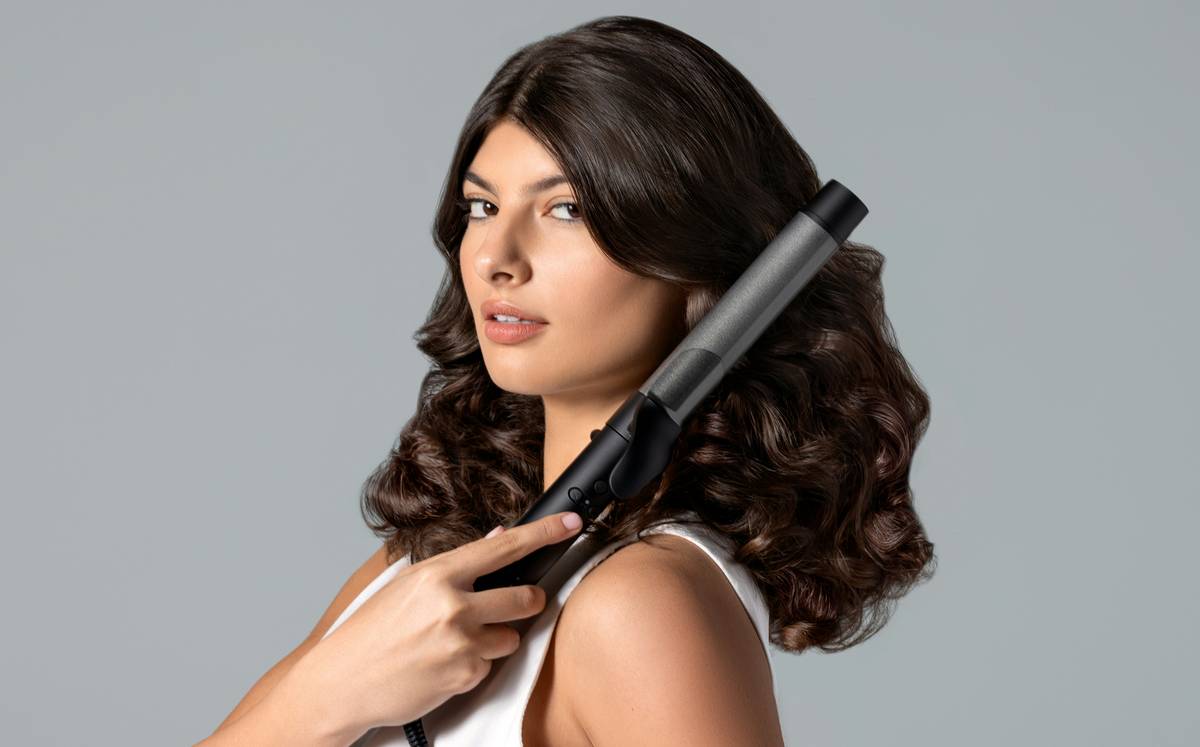
Opt for narrow plates (under 1 inch). They reduce tugging and allow micro-sectioning—critical when every strand counts. Titanium? Skip it. Look for **floating tourmaline-infused ceramic**. It emits negative ions without overheating delicate fibers.
Prep With Heat Defense—Not Moisture Bombs
Fine hair drowns in heavy serums. Use a lightweight, alcohol-free thermal protectant sprayed 6 inches away. Let it dry fully before touching your iron. Wet or damp application = instant steam damage.
Master the Single-Pass Technique
Section hair into ½-inch slices. Glide the straightener once—from root to tip—at 300–320°F max. No back-and-forth sawing. If you need a second pass, your heat setting is too low or your section is too thick.
| Straightening Factor | For Coarse Hair | For Fine Hair |
|---|---|---|
| Temperature Range | 375–450°F | 280–320°F |
| Plate Width | 1.25–2 inches | 0.5–1 inch |
| Passes Per Section | 2–3 | 1 (max) |
| Ideal Pre-Styling Product | Oil-based serum | Water-based thermal spray |

The Industry Secret: It’s Not About Heat—It’s About Timing
Salon pros don’t rely on higher temps—they rely on perfect timing. Fine hair reaches optimal smoothness in 1.8 seconds per inch of length. Any longer and you’re cooking keratin, not styling it. Most consumer flat irons lack responsive sensors, so they keep pumping heat even after contact. That’s why pro-grade tools with automatic shut-off and real-time temp adjustment cost more—but they prevent cumulative damage that shows up weeks later as breakage near the crown. One salon owner confessed: “We tell clients to replace their drugstore straightener every 9 months—not because it breaks, but because its calibration drifts, silently frying fine strands.”
Frequently Asked Questions
Can fine hair be straightened daily?
No. Limit heat styling to 1–2 times weekly. On off days, refresh with dry shampoo at roots and a boar-bristle brush to redistribute oils without adding weight.
What temperature is safest for fine hair?
Start at 280°F. If hair isn’t smoothing, increase in 10-degree increments—but never exceed 320°F. Your hair should feel warm, not hot, post-pass.
Do ionic straighteners help fine hair?
Yes—but only if paired with consistent low heat. Negative ions reduce static and frizz, but they won’t rescue hair fried by excessive temperature.