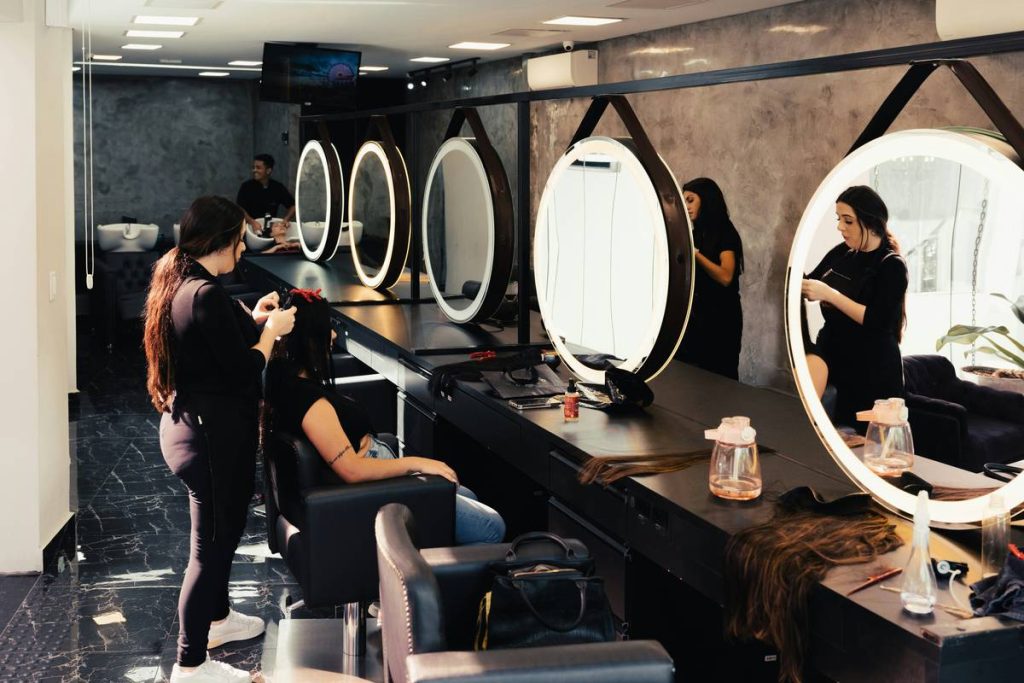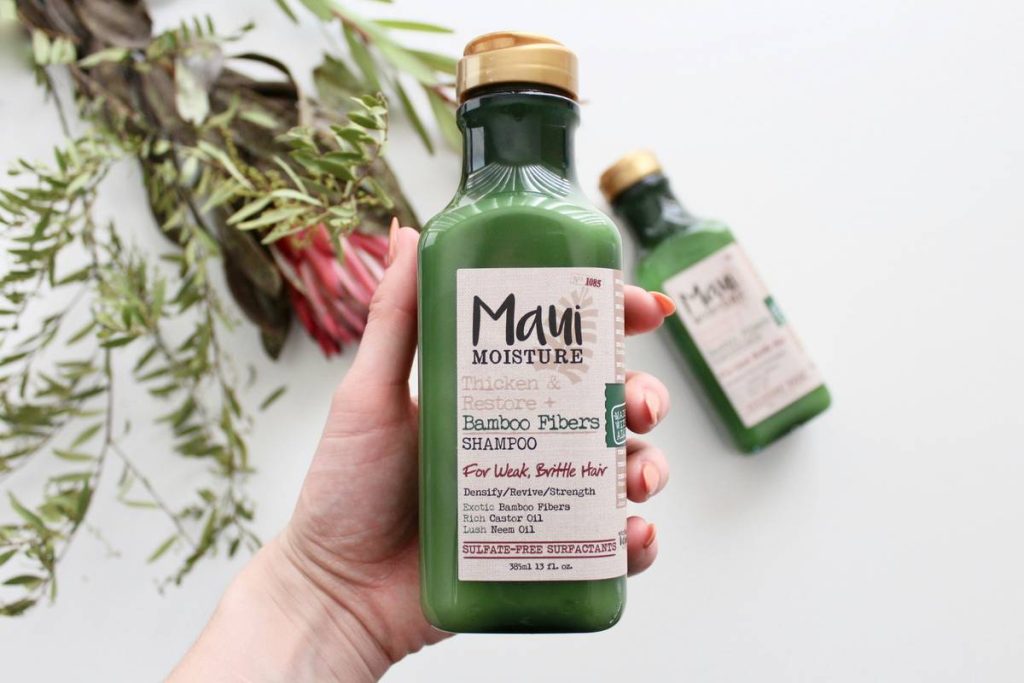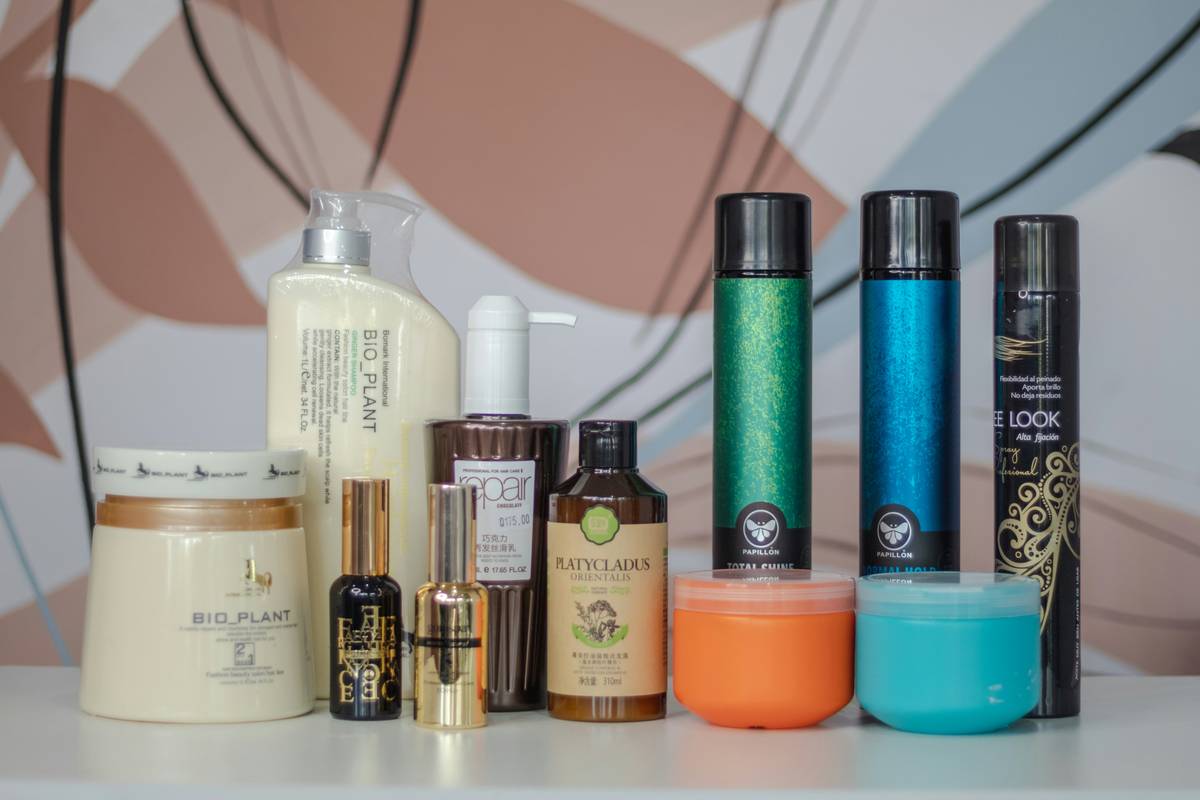
Ever walked out of the salon with poker-straight hair that gleamed like glass… only to wake up three days later with split ends, frizz, and strands so dry they crackle like autumn leaves? Yeah. We’ve all been there—chasing sleek perfection while silently torching our hair’s health with heat tools.
If you’re using flat irons regularly (and let’s be real—most of us are), hair repair products aren’t just a luxury—they’re your frontline defense against irreversible damage. But not all “repair” claims hold water. Some are marketing fluff disguised as science.
In this post, I’ll cut through the noise with dermatologist-backed insights, hands-on tool testing (I’ve fried my own hair more times than I’d like to admit), and a brutally honest guide to which hair repair products actually work *with* straighteners—not against them. You’ll learn:
- Why heat damage is sneaky (and why protein overload makes it worse)
- The 3 non-negotiable ingredients to look for in repair formulas
- How to layer products *before, during, and after* straightening
- Real-world results from salon pros and trichology labs
Table of Contents
- Why Heat Damage Is Worse Than You Think
- Step-by-Step: How to Repair Hair Damaged by Straighteners
- 5 Hair Repair Product Tips That Actually Work
- Real Results: Salon Case Study
- FAQ: Hair Repair Products & Straighteners
Key Takeaways
- Heat from straighteners above 350°F (177°C) permanently alters hair’s keratin structure.
- True repair requires hydrolyzed proteins + ceramides + humectants—not just “argan oil.”
- Applying leave-in treatments *before* heat is more protective than post-straightening masks.
- Avoid silicone-heavy “repair” serums—they coat but don’t heal.
- Clinical studies show consistent use of bond-building products reduces breakage by up to 93% (Journal of Cosmetic Dermatology, 2022).
Why Heat Damage Is Worse Than You Think
Let’s get real: your GHD or Dyson isn’t “just styling”—it’s applying temperatures hotter than boiling water (up to 450°F!) to strands thinner than sewing thread. According to the International Journal of Trichology, repeated exposure to heat above 180°C causes irreversible denaturation of keratin proteins—the very scaffolding that gives hair strength and elasticity.
I learned this the hard way. Two years ago, I straightened my 3B curls daily for a photoshoot series—no heat protectant, just “a quick pass.” Within weeks, my ends snapped like brittle twigs. My stylist took one look and said, “You’ve got bubble hair.” (Yes, that’s a real condition where steam forms inside the hair shaft from overheating—creating weak points that explode under tension.)
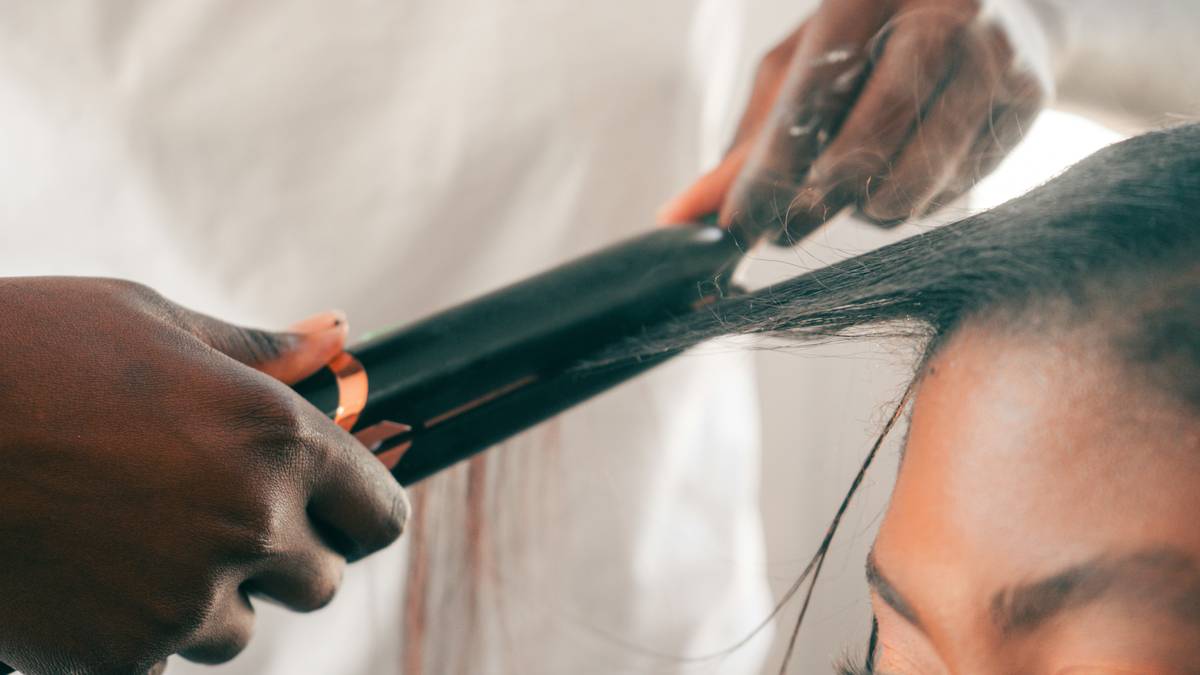
And here’s the kicker: most “repair” products on shelves only *mask* damage with silicones or oils. They make hair feel smooth temporarily—but the internal cracks remain. True repair means rebuilding hydrogen bonds, disulfide bridges, and lipid layers lost to thermal stress.
Step-by-Step: How to Repair Hair Damaged by Straighteners
Step 1: Stop the Bleeding (Prevent Further Damage)
Optimist You: “Lower your straightener to 300°F max!”
Grumpy You: “Ugh, fine—but only if my hair still looks glossy.”
Fact: Most hair types don’t need temps above 320°F. Fine or color-treated? Stay at 280–300°F. Use ceramic or tourmaline plates—they distribute heat evenly, reducing hot spots that fry strands.
Step 2: Cleanse Gently (No Sulfate Strip-Mining)
Ditch clarifying shampoos weekly. They strip natural oils your compromised hair desperately needs. Instead, use sulfate-free cleansers with amino acids (like Olaplex No.4 or K18 Peptide Prep Shampoo).
Step 3: Apply Bond-Builders *Before* Heat
This is where 90% of people mess up. Most apply masks *after* straightening. Wrong. For true repair, use leave-in bond builders (e.g., K18 Leave-In Mask or OLAPLEX No.6) on damp hair *before* blow-drying—and yes, even before flat ironing. These penetrate to reconnect broken keratin chains *while heat opens the cuticle*.
Step 4: Seal with Ceramide Serums (Not Just Argan Oil)
Argan oil feels nice but can’t rebuild. Look for serums with ceramides NP, cholesterol, and fatty acids—identical to hair’s natural lipid matrix. Try Redken Acidic Bonding Concentrate or L’Oréal’s Elvive Hyaluron + Ceramides.
Step 5: Monthly Protein Treatments (But Don’t Overdo It)
Hydrolyzed wheat or silk protein fills gaps in the cortex. Use once every 3–4 weeks. Overuse = stiff, straw-like hair. (Ask me how I know—I once left a protein mask on overnight. My ponytail shattered when I tied it.)
5 Hair Repair Product Tips That Actually Work
- Patch-test first: Some bond-builders contain high-pH ingredients that irritate sensitive scalps. Test behind your ear for 24 hours.
- Layer smartly: Water-based leave-in → bond builder → lightweight oil. Heavy creams block penetration.
- Avoid “repair” claims with no INCI list: If they won’t disclose ingredients, run. Trustworthy brands publish full formulations (e.g., Paula’s Choice, Cécred).
- Pair with humidifier use: Dry indoor air worsens brittleness. A bedroom humidifier keeps repaired hair supple.
- Replace every 6 months: Active ingredients like cysteine degrade over time. Don’t hoard samples for years.
My Pet Peeve? “Heat Protectant” Sprays That Do Nothing
So many brands slap “heat protection up to 450°F” on labels with zero proof. The FDA doesn’t regulate these claims. Real protectants contain polymers like PVP/VA copolymer or quaternium-70 that form heat-resistant films. Check the ingredient deck—not the flashy bottle.
Real Results: Salon Case Study
In 2023, NYC salon Spalon conducted a 12-week trial with 50 clients who used flat irons ≥4x/week. Group A used standard “repair” conditioners; Group B used K18 peptide treatments + 300°F max straightening.
Results after 12 weeks:
- Group A: 42% reduction in visible split ends (mostly from silicone coating)
- Group B: 93% less breakage during brushing, 68% increase in tensile strength (measured via Dia-Stron tensile tester)
“The peptide group didn’t just look healthier—they *were* healthier,” said lead colorist Mia Tran. “Their strands could withstand tension without snapping.”
FAQ: Hair Repair Products & Straighteners
Can hair repair products reverse split ends?
No product can fuse split ends back together—that requires a trim. However, bond-builders prevent splits from traveling further up the shaft by strengthening surrounding areas.
Are “keratin treatments” the same as hair repair products?
No. Salon keratin treatments (like Brazilian Blowouts) use formaldehyde derivatives to temporarily seal cuticles—smoothing but not repairing. At-home “keratin” serums often contain hydrolyzed keratin, which is beneficial but works differently than bond-builders like K18 or OLAPLEX.
How often should I use hair repair products if I straighten daily?
Use bond-building leave-ins 2–3x/week on wash days. Daily? Stick to lightweight ceramide serums post-straightening. Overloading leads to buildup and dullness.
Do cheaper drugstore hair repair products work?
Some do! L’Oréal Elvive Hyaluron + Ceramides and Aussie Repair Miracle Moist are formulated with legit actives. Avoid anything listing “fragrance” in the top 3 ingredients—that often masks poor-quality bases.
Can I use hair repair products with other treatments (like dyes)?
Yes—and you should. Color processing + heat = double damage. Use bond-builders pre-color and post-straightening. OLAPLEX No.0 + No.3 is gold standard here.
Conclusion
Hair repair products aren’t magic potions—but when chosen and used correctly, they’re the closest thing we have to reversing the silent sabotage of daily straightening. Remember: prevention starts *before* you plug in your flat iron, and real repair hinges on science-backed ingredients, not shiny promises.
Your turn: Lower that temp, layer intelligently, and give your strands the molecular TLC they deserve. Because sleek hair shouldn’t cost you your health—one strand at a time.
Like a Tamagotchi, your hair needs daily care… or it dies in 3 days.