You’ve spent $200 on a straightener that fries your ends. You’ve wrapped your hair in rollers only to wake up with limp waves and split ends. And blowouts? Gone by lunchtime. The frustration is real—especially when your styling tools work against you, not with you. Enter hot air brushes: the hybrid tool that dries, styles, and smooths in one pass. No more juggling a dryer and a round brush like a circus act.
The Core Problem: Why Traditional Styling Tools Keep Failing You
Flat irons promise sleekness but deliver damage—especially on damp or fine hair. Round brushes paired with dryers demand Olympic-level coordination. And don’t get me started on ceramic barrels that overheat without warning.
Here’s the reality: most at-home tools were designed for pros with years of wrist strength and spatial awareness. You? You just want salon-quality results before your Zoom call starts.
But there’s a deeper issue—thermal overload. Repeated high-heat exposure from conventional tools strips keratin, frays cuticles, and creates that dreaded “straw texture.” Hot air brushes sidestep this by using lower, consistent heat combined with airflow—gentler on strands, faster on time.
Your Step-by-Step Guide to Mastering Hot Air Brushes
Choosing the Right Barrel Size
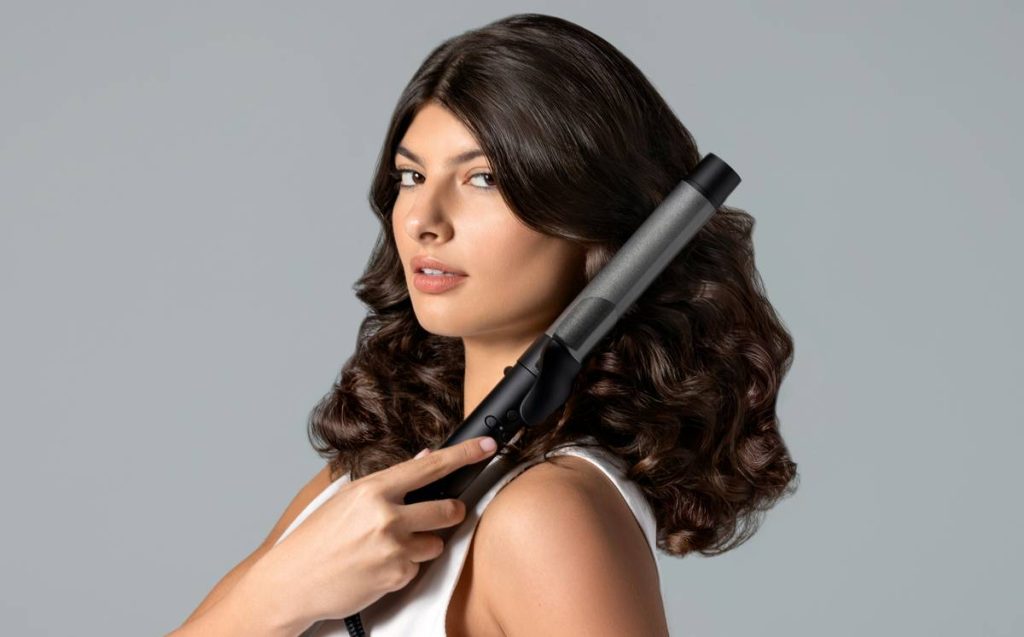
Small barrels (under 1.5 inches) = tighter curls or volume at roots. Large barrels (1.75+ inches) = loose waves or straightening effect. Match your goal—not your current hair length.
Pre-Styling Prep Is Non-Negotiable
Skip heat protectant? You’re gambling with breakage. Apply a lightweight serum or thermal spray while hair is towel-dried—never soaking wet. Damp, not dripping.
Technique Over Technology
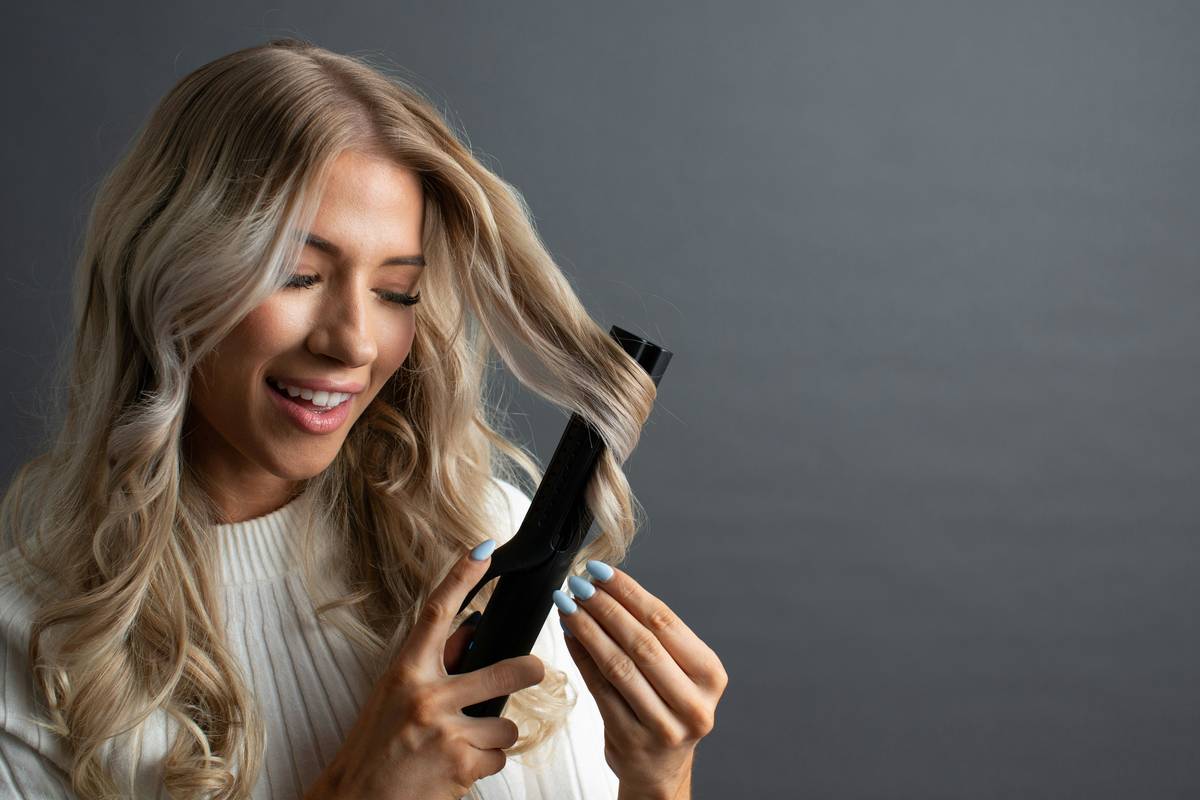
Section hair. Start at the nape. Rotate the brush slowly as you pull down—don’t yank. Let the airflow do the work. Rushing = frizz. Patience = polish.
| Method | Time Required | Heat Damage Risk | Beginner-Friendly? |
|---|---|---|---|
| Flat Iron + Blow Dryer Combo | 25–40 mins | High | No |
| Traditional Round Brush + Dryer | 20–30 mins | Medium | Moderate |
| Hot Air Brushes | 8–15 mins | Low to Medium | Yes |
The Industry Secret: Hot Air Brushes Are Actually Better for Fine or Thinning Hair
Salons won’t tell you this—but many stylists quietly recommend hot air brushes to clients with fine, aging, or postpartum hair. Why? Because the combination of gentle heat and tension-free airflow adds body without snapping fragile strands. Flat irons flatten; curling wands pinch. But a hot air brush? It lifts from the root while sealing the mid-lengths. One stylist I spoke with in Brooklyn calls it “the stealth volumizer”—clients think they’re getting waves, but really, they’re rebuilding density perception strand by strand. And that’s worth far more than a temporary sleek look.
Frequently Asked Questions
Can hot air brushes replace flat irons?
For everyday smoothing—yes. For poker-straight precision on thick hair—no. They’re ideal for natural movement, not editorial sharpness.
Do hot air brushes work on curly hair?
They won’t eliminate curls, but they can stretch them into soft waves while reducing frizz. Use on 80% dry hair with a smoothing cream.
How often can I use a hot air brush safely?
2–4 times weekly is fine if you use heat protectant and avoid the highest setting. Unlike irons, airflow cools contact points—less cumulative damage.