You bought the latest hair curling irons. You watched every tutorial. But your curls still fall flat by noon—or worse, leave behind split ends and frizz that screams “I tried too hard.” Sound familiar? The problem isn’t your technique. It’s the tool itself—and how you’re using it.
The Core Problem: Why Standard Hair Curling Irons Underdeliver
Most people treat hair curling irons like magic wands. Plug in, clamp, twist—boom, red-carpet waves. Reality check: that’s not how keratin behaves under heat. And yet, brands keep selling 30mm barrels with “ceramic coating” as if that solves everything.
Here’s what they won’t tell you: ceramic alone doesn’t protect hair. It just distributes heat slightly more evenly than metal—but if the temperature control is crude (±30°F swings?), you’re still frying your cuticles. And inconsistent barrel geometry? That creates uneven tension, which equals droopy, half-formed curls.
But the real killer? Humidity response. Most curling irons ignore ambient moisture—so your “perfect curl” in a dry bathroom collapses the second you step outside. The math is simple: without intelligent heat modulation, you’re styling blindfolded.
Your Step-by-Step Guide to Long-Lasting, Healthy Curls
Forget the hype. Real results come from precision—not power. Follow this protocol:
Select the Right Barrel Type for Your Goal
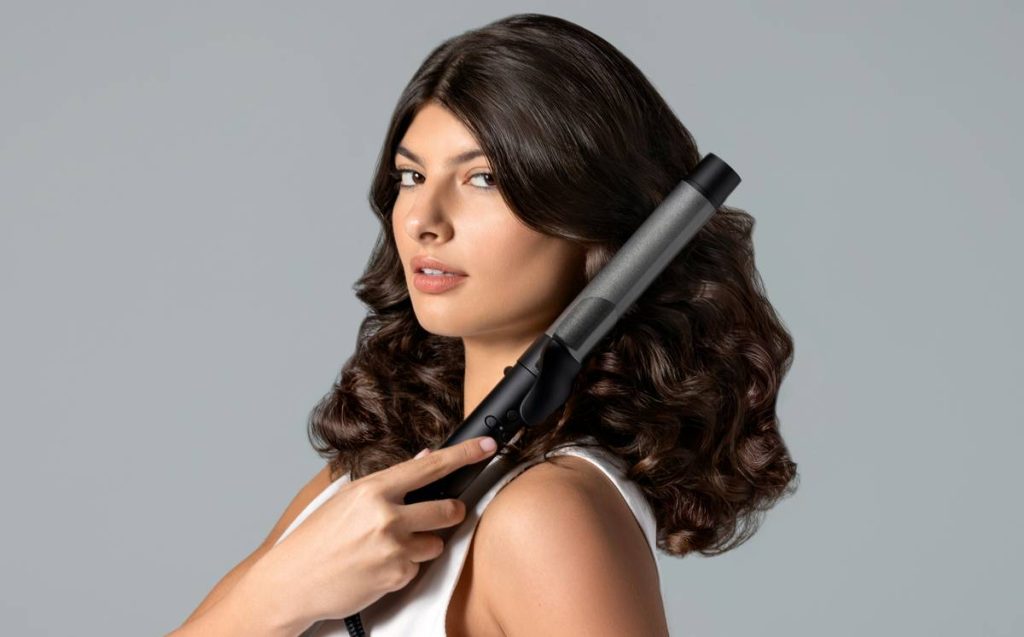
Tight ringlets? Go tapered or 0.75-inch. Beachy texture? A 1.25-inch wand with no clamp. Clamp-style irons work best for beginners—but only if the hinge pressure is adjustable. Rigid clamps crush hair; gentle grip preserves shape memory.
Prep Like a Pro (Skip This = Disaster)
Apply a lightweight thermal protectant—silicone-based, not oil-heavy. Oils create steam pockets when heated, which literally bubbles your cuticle layer. Then, section hair into 1-inch strands. Thicker sections = surface-only curl. Weak hold guaranteed.
Master the Timing-Temperature Matrix
Fine or color-treated hair? Never exceed 300°F. Coarse or thick? 350–375°F max. Hold time isn’t one-size-fits-all either. At 300°F, hold 8–10 seconds. At 375°F, 5–6 seconds. Over-hold = protein denaturation. And yes—that damage is permanent.
| Hair Type | Ideal Temp Range | Hold Time | Barrel Recommendation |
|---|---|---|---|
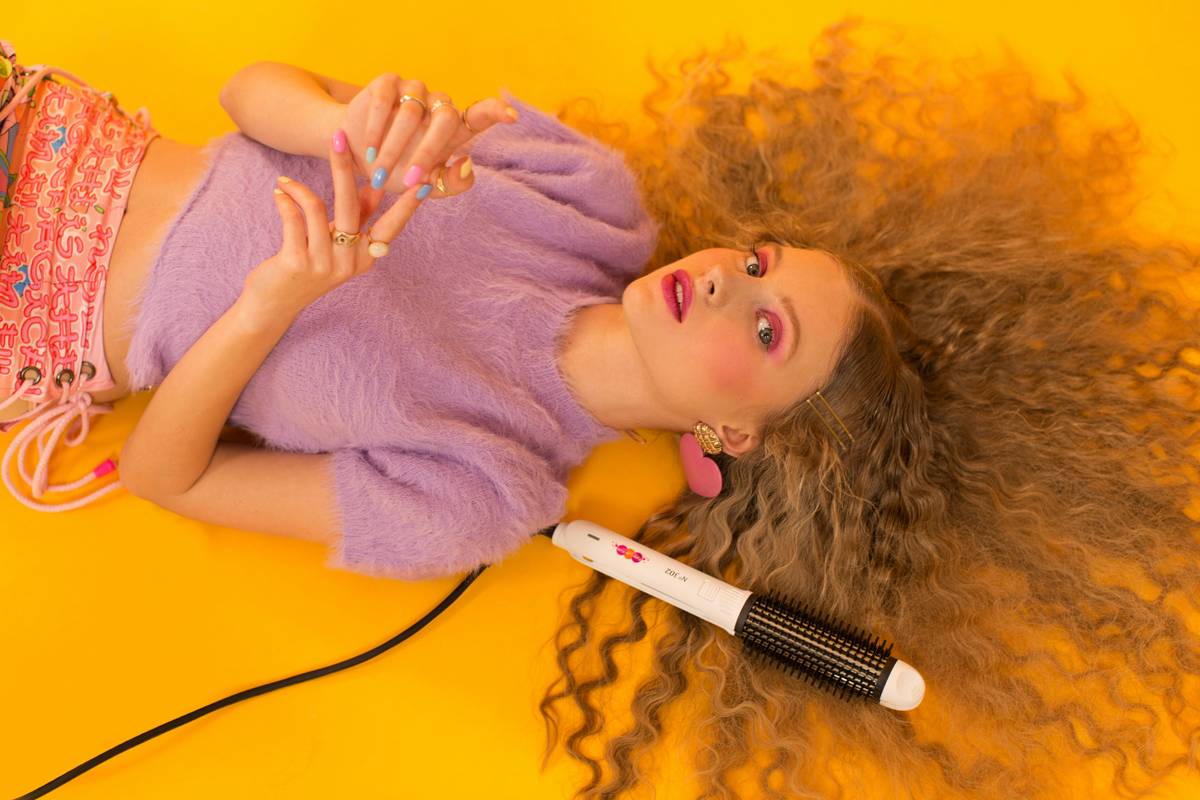
| Fine / Bleached | 275°F – 300°F | 6–8 sec | 0.75″ tapered ceramic-tourmaline |
| Medium / Natural | 300°F – 350°F | 8–10 sec | 1″ clamp-free tourmaline wand |
| Thick / Coarse | 350°F – 375°F | 10–12 sec | 1.25″ clamp-style with infrared sensor |
The Industry Secret: It’s Not About the Iron—It’s the Recovery Phase
Here’s the contrarian truth: the curl sets *after* you release it—not during heating. Most users yank the iron away and immediately run fingers through the coil. Stop. That disrupts hydrogen bond reformation.
Real stylists let curls cool fully *in place*. Wrap each coil around your finger, pin it up with a duckbill clip, and wait 90 seconds. Ambient cooling locks the new shape at the molecular level. Skip this, and even the $200 hair curling irons fail.
And humidity? Spritz cooled curls with a glycerin-free setting mist—glycerin attracts moisture, which unravels curls. Look for polymers like PVP/VA instead. That’s the invisible armor most tutorials omit.
Frequently Asked Questions
Can I use hair curling irons on wet hair?
No. Water turns to steam inside the hair shaft at high heat—causing instant bubble hair (trichorrhexis nodosa). Always style 100% dry hair.
How often can I safely use curling irons?
Max 2–3 times weekly with proper heat protection. Daily use—even at low temps—cumulatively degrades keratin bonds. Rotate with heatless methods.
Do ceramic or titanium barrels last longer?
Titanium heats faster and lasts longer mechanically. But ceramic-tourmaline emits negative ions that reduce static—better for fine or frizzy hair. Choose based on hair behavior, not marketing.