Curly hair thrives on moisture, structure, and respect. Yet millions reach for flat irons daily—thinking they’re taming frizz, when in reality, they’re stripping life from their strands. The problem isn’t your curls. It’s the tools you’ve been sold. Here’s how to reclaim your texture without sacrificing style.
Why Standard Straightening Routines Fail Curly Hair
Most straighteners operate at 350°F–450°F. That’s hotter than a pizza oven—and your curls didn’t sign up for incineration. Thermal damage unravels the protein bonds that give curls their shape, leading to dryness, breakage, and that dreaded “fried” look. And no amount of serum can fix what heat has permanently altered.
But here’s what brands won’t tell you: curly hair doesn’t need straightening to look polished. It needs strategy. The real issue? Misinformation masquerading as routine.
Hair Care for Curly Hair: A Damage-Free Styling Protocol
Forget fighting your curl pattern. Work with it. This isn’t about restriction—it’s about intelligent styling that preserves integrity while delivering sleekness when you want it.
Pre-Styling Prep: Hydration Over Heat
Apply a leave-in conditioner with humectants like glycerin or honey. Then seal with a lightweight oil—jojoba or argan—only on mid-lengths to ends. This creates a thermal buffer if you *must* use heat, but ideally, skip it altogether.
Heat-Free Smoothing Alternatives
Banding, silk scarf wrapping, or pineapple plopping overnight can stretch curls without a single watt of electricity. Results last 1–2 days and actually improve curl definition over time.
If You Must Use a Straightener…
Use ceramic or tourmaline plates, never metal. Set temperature below 300°F. Pass the iron only once per section—no back-and-forth sawing. Always use a heat protectant rated for your tool’s max temp. And limit use to once every 10–14 days.
| Method | Time Required | Daily Cost (Est.) | Curl Health Impact |
|---|---|---|---|
| Daily Flat Ironing | 15–25 mins | $0.10 (electricity + product) | Severe cumulative damage |
| Overnight Banding | 5 mins prep + sleep time | $0.00 | Neutral to positive |
| Professional Keratin Treatment | 2–3 hours (salon) | $150–$300 one-time | Moderate damage (formaldehyde risk) |
| Heat-Protectant + Occasional Straightening | 20 mins | $0.25 (product + electricity) | Mild if done correctly |
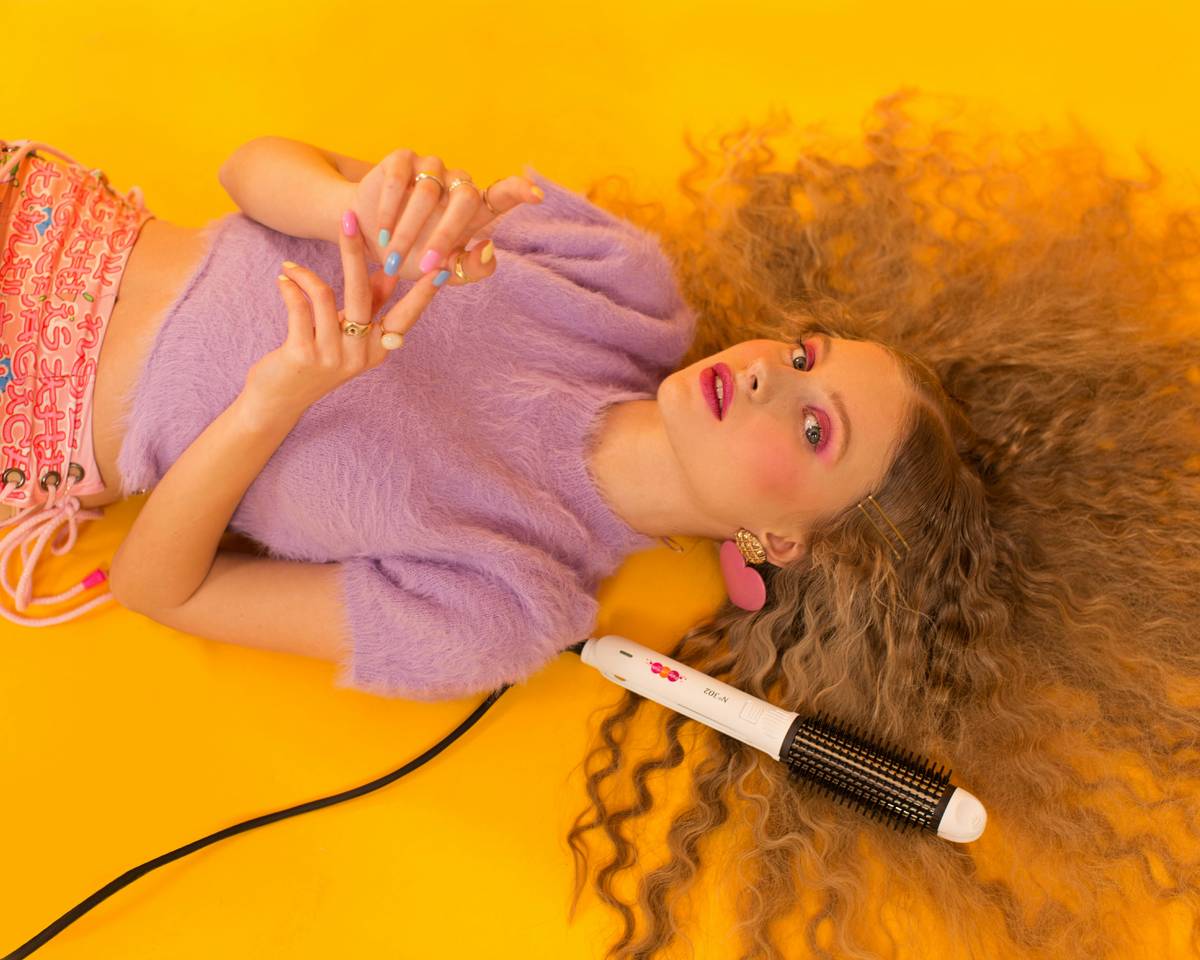
The Industry Secret: Salons Profit From Your Breakage
Here’s the uncomfortable truth: many salons push keratin treatments and frequent blowouts because they’re high-margin services—not because they’re best for your hair. The math is simple: damaged hair = repeat clients. Healthy hair lasts longer between appointments. One veteran stylist confessed off-record: “We see clients come in every six weeks not because they *need* to—but because their last treatment fried their ends.” Protect your strands like your wallet depends on it—because long-term, it does.
Frequently Asked Questions
Can I straighten curly hair without damaging it?
Yes—if you limit frequency, use low heat (<300°F), apply quality heat protectant, and prioritize deep conditioning after. But consistent heat-free methods yield healthier long-term results.
What’s the best brush for curly hair before straightening?
Don’t brush dry curly hair—it causes frizz and breakage. Detangle only when wet, using a wide-tooth comb or fingers, under running water with conditioner in.
How often should I wash curly hair if I straighten it?
Wash 1–2 times weekly max. Straightening removes natural oils, so over-washing accelerates dryness. Use sulfate-free shampoos and co-wash between sessions.