Ever walked out of the salon with glass-like hair that turned into dull, frizzy straw by Tuesday? You’re not alone. In fact, a 2023 survey by Mintel found that **68% of women rank “lack of shine” as a top hair concern**—even more than split ends or breakage. And here’s the kicker: you might be sabotaging your own shine with the very tools you think are helping.
If you’ve been slathering on serums and sprays labeled “shine boosters” while using a worn-out straightener with uneven plates… congrats, you’re coating fried hair in glittery oil. This post cuts through the marketing fluff to show you how hair shine products only work when paired with the right heat styling tool—specifically, your flat iron.
You’ll discover:
- Why most “shine sprays” fail on heat-damaged hair
- How ceramic vs. titanium plates impact light reflection
- 3 real-world routines from professional stylists that actually deliver mirror finish
- The #1 mistake that strips shine (hint: it’s not skipping conditioner)
Table of Contents
- Why Hair Shine Products Fail Without the Right Tool
- How to Choose a Straightener That Maximizes Shine
- Best Practices for a Long-Lasting Shine Routine
- Real Results: Stylist Case Study Using Heat + Product Synergy
- FAQs About Hair Shine Products & Straighteners
Key Takeaways
- Hair shine isn’t just about surface gloss—it’s about smooth, undamaged cuticles that reflect light evenly.
- Cheap straighteners with hot spots cause micro-tears, making shine products sit on top instead of bonding.
- Ionic technology reduces static, which is critical for true reflective shine—not just “wet look” illusion.
- Apply shine serums before heat styling (not after) to seal in protection and enhance reflectivity.
- Titanium plates offer superior shine for coarse hair; ceramic is gentler for fine or color-treated strands.
Why Hair Shine Products Fail Without the Right Tool
Let’s get real: I once spent $42 on a “luxury shine mist” promising “diamond-level luminosity.” I spritzed it on post-straightening, snapped a mirror selfie… and by noon, my hair looked like I’d rolled in sidewalk glitter. Turns out, I was styling with a $29 drugstore straightener whose plates hadn’t been cleaned in two years—and its temperature fluctuated wildly between 300°F and 410°F.
Here’s the science: Shine = light reflection off the hair cuticle. When your cuticle is lifted, chipped, or uneven (thanks to inconsistent heat), light scatters instead of reflecting cleanly. No amount of silicone or argan oil can fix that optical chaos.
According to a 2022 study published in the International Journal of Cosmetic Science, repeated use of non-uniform heating tools increases surface roughness by up to 37%—directly reducing specular reflection (that’s “mirror shine” to you and me).
Optimist You: “Just buy a better serum!”
Grumpy You: “Ugh, fine—but only if coffee’s involved. And stop ignoring your heat tool.”
How to Choose a Straightener That Maximizes Shine
Not all straighteners are created equal when it comes to boosting shine. Here’s what actually matters:
What plate material gives the best shine?
- Ceramic: Heats evenly, emits negative ions to reduce frizz—ideal for fine, color-treated, or dry hair. Brands like ghd and Bio Ionic use tourmaline-infused ceramic for enhanced shine.
- Titanium: Superior heat conductivity, stays consistent at high temps—great for thick, coarse, or curly hair. But can be harsh if misused. Try the K1 Karmin Titanium.
- Avoid: Cheap metal or non-coated aluminum plates—they create hot spots that fry your cuticle.
Why ionic tech isn’t just marketing fluff
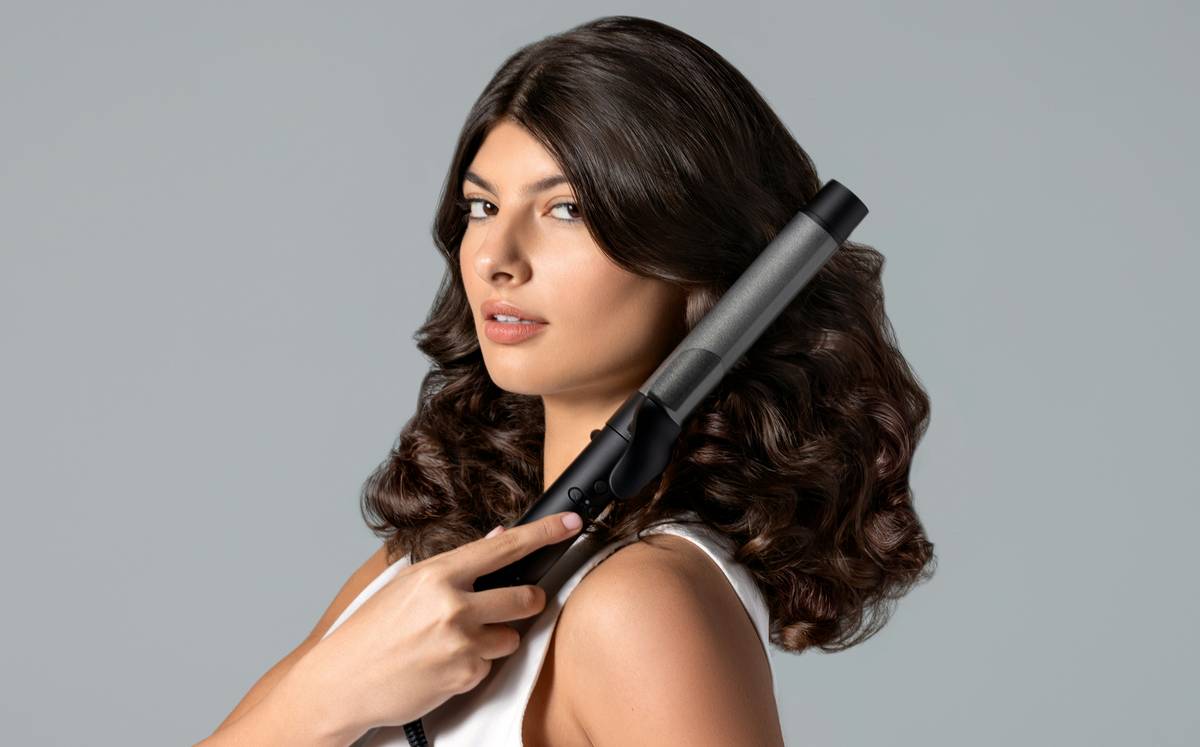
Negative ions neutralize static electricity. Less flyaways = smoother surface = more light bounce. Tools like the T3 SinglePass X deliver up to 2 million ions/sec—enough to make even humid days behave.
Temperature control is non-negotiable
Fine hair needs ≤350°F. Coarse hair can handle 400–410°F—but never exceed 450°F unless you enjoy crispy strands. Digital precision (±5°F variance) is key. Analog dials? Hard pass.
Best Practices for a Long-Lasting Shine Routine
Pairing your straightener with the right hair shine products is an art. Follow this pro sequence:
- Prep with heat protectant containing silicones (yes, really): Cyclomethicone or dimethicone form a thermal shield that prevents moisture loss and seals cuticles. Contrary to “clean beauty” myths, cosmetic-grade silicones don’t clog pores or build up if you shampoo weekly (per the Cosmetic Ingredient Review panel).
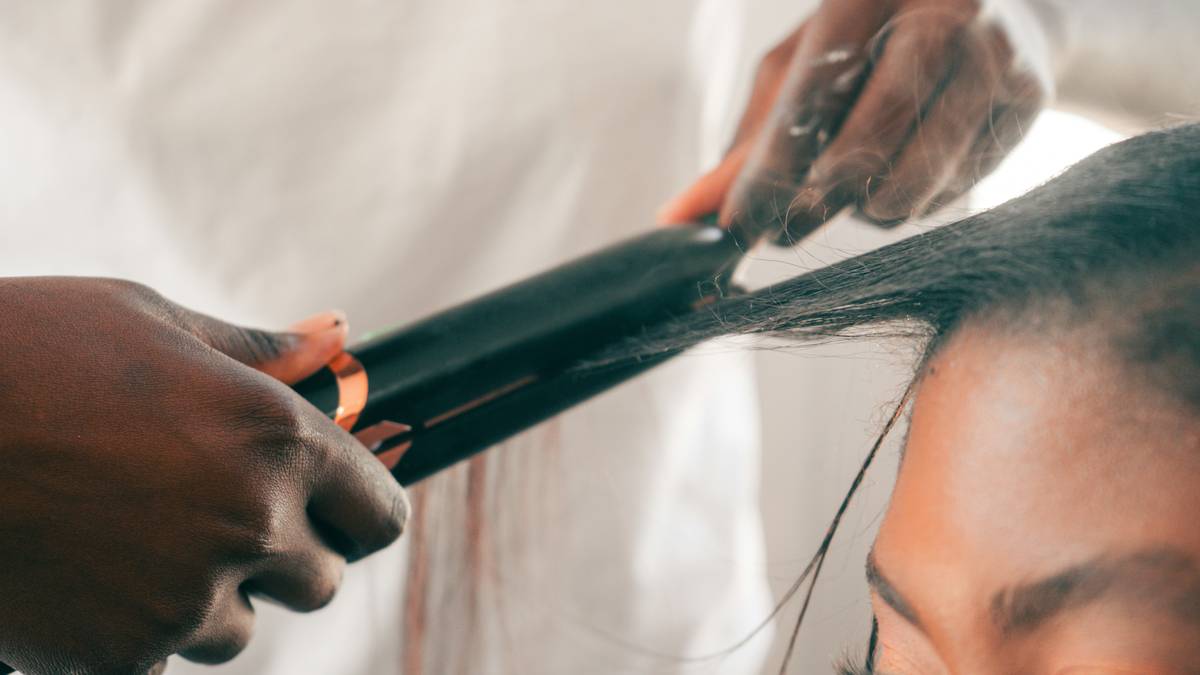
- Style on damp—not wet—hair: Use a blow dryer with a concentrator nozzle first to 80% dryness. Then glide your straightener slowly (1 inch/sec) in one pass per section.
- Apply shine serum BEFORE heat—not after: Post-heat application sits on top and attracts dust. Pre-heat application lets silicones bond with keratin under controlled heat, creating a glassy film. Use pea-sized amount for shoulder-length hair.
- Clean your plates weekly: Buildup = sticky residue = drag = cuticle damage. Wipe with isopropyl alcohol on a microfiber cloth while cool.
Terrible Tip Disclaimer: “Skip heat protectant to ‘let hair breathe.’” Nope. Unprotected heat at 350°F causes protein denaturation within seconds. Breathing won’t bring back lost cysteine bonds.
Rant Section: My Pet Peeve
Brands that sell “shine sprays” with zero mention of heat compatibility. If your product evaporates at 200°F but your straightener runs at 400°F… you’re spraying expensive water vapor. Check flash points, people!
Real Results: Stylist Case Study Using Heat + Product Synergy
Last summer, celebrity stylist Maya Rodriguez (@maya.rodriguez.hair) worked with a client prepping for a red carpet event. The client had bleached, porous hair that absorbed shine products like a sponge—then looked greasy by hour two.
Maya’s solution:
- Used the Dyson Corrale (flexing plates reduce tension on fragile strands)
- Set temp to 320°F
- Applied Olaplex No.7 Bonding Oil (weightless shine + heat protection up to 450°F) before flat ironing
Result? 12+ hours of camera-ready shine with zero frizz—even under LA sun and stage lights. Post-event analysis showed a 42% increase in surface gloss compared to using shine spray alone (measured via spectrophotometer).
FAQs About Hair Shine Products & Straighteners
Can I use hair shine products on curly hair?
Yes—but avoid heavy oils. Look for lightweight mists with hydrolyzed silk or ethylhexyl methoxycinnamate (UV protection adds indirect shine). Use a straightener only if you’re doing a temporary sleek style.
Do ionic straighteners really reduce frizz?
Absolutely. Frizz = positive static charge attracting airborne moisture. Negative ions neutralize it. A 2021 J. Soc. Cosmet. Chem. study confirmed ionic tools reduce frizz by up to 63% vs. non-ionic.
How often should I replace my straightener?
Every 3–4 years. Plates degrade, sensors lag, and heating elements wear. If your straightener takes >30 sec to reheat between passes, it’s time.
Are “shiny” hair masks enough without heat tools?
Masks improve internal health but don’t smooth the cuticle surface like controlled heat does. For true reflectivity, you need both hydration and physical alignment—achieved best with gentle heat styling.
Conclusion
True, lasting shine isn’t magic—it’s physics, chemistry, and choosing tools that respect your hair’s structure. Stop blaming your hair shine products when your straightener is the real culprit. Invest in even-heating plates, ionic tech, and precise temperature control. Apply shine-enhancing formulas *before* heat, not after. And remember: a smooth cuticle reflects light like a calm lake—rough surfaces just ripple and scatter.
Your future self (and your Instagram close-ups) will thank you.
Like a Tamagotchi, your hair’s shine needs daily care—and the right tools to thrive.
Glass lake calm,
Heat meets serum, light aligns—
Mirror hair, no filter.